In Brief
- Timely payments are a key signal of market reliability and help farmers plan with confidence.
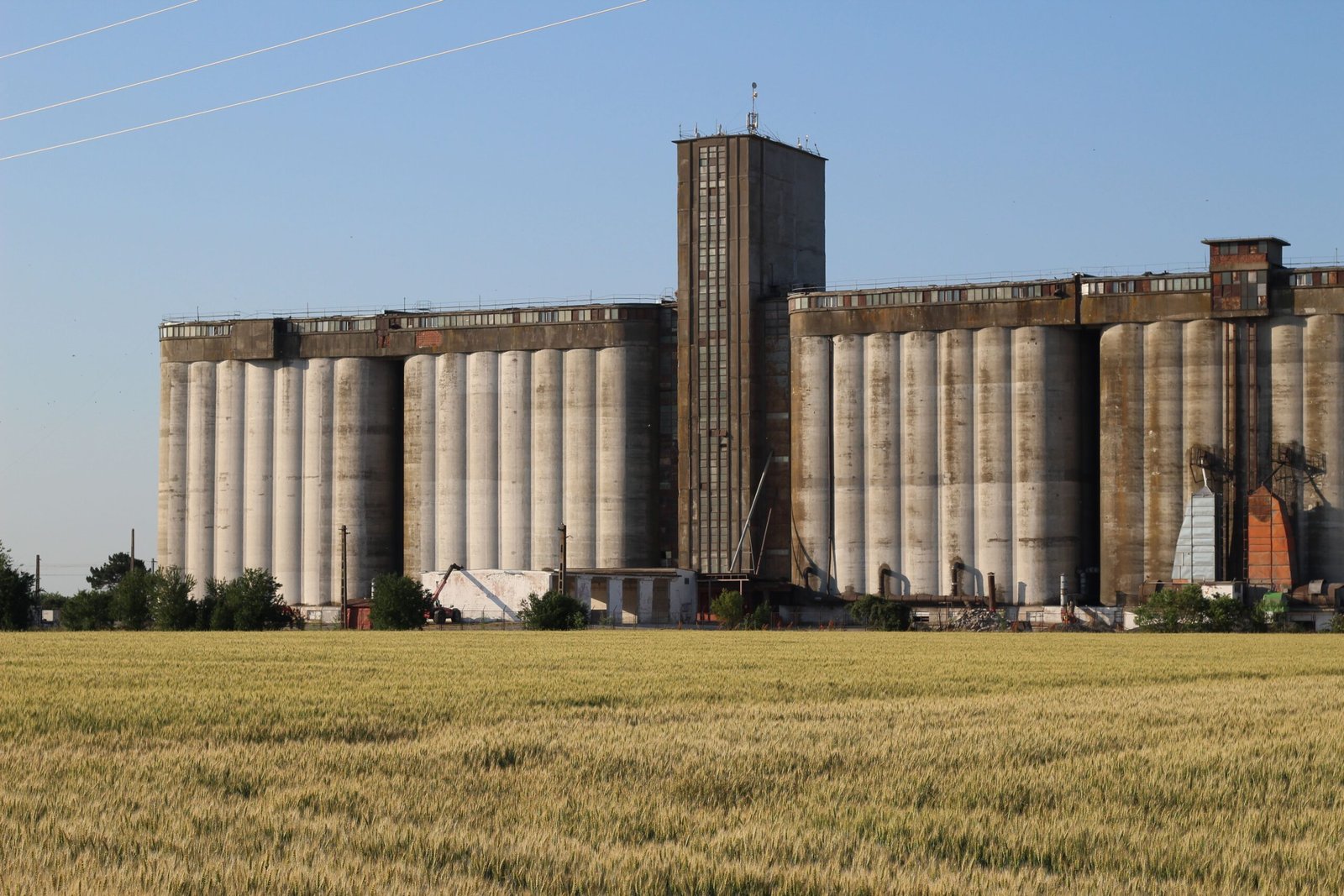
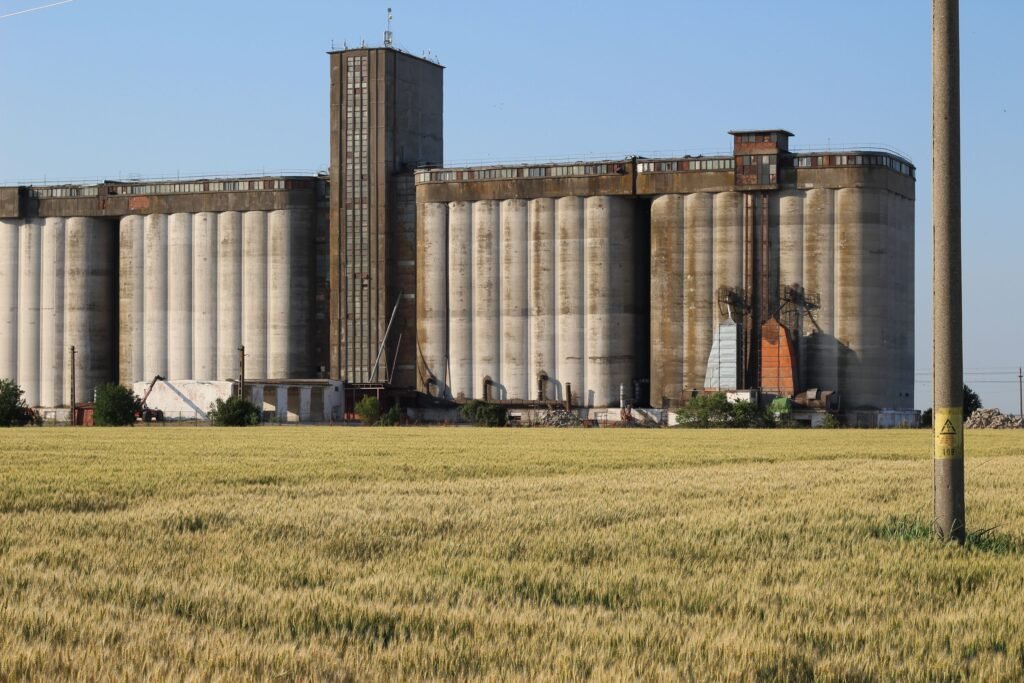
- For many smallholder grain producers, the Grain Marketing Board (GMB) remains an accessible market with relatively low marketing costs.
- Clearing outstanding payments is a positive step towards rebuilding confidence as farmers plan for the 2026/27 summer cropping season.
Producer Prices and Payment Reliability
A few weeks ago, I wrote about the producer and planning prices announced for maize, traditional grains, wheat, soya bean and sunflower. These prices give farmers, agribusinesses and financiers an early indication of the incentives likely to shape cropping decisions for the 2026/27 season.
Prices, however, are only one part of the equation. Farmers planning for the 2026/27 summer cropping season need to consider not only what buyers will pay, but also whether payment will arrive on time after delivery. That is why the Grain Marketing Board’s recent announcement deserves attention: it has cleared the USD component of farmer payments for summer crop deliveries and begun paying for current wheat deliveries. For farmers and agribusiness leaders, this is an important signal of payment progress.
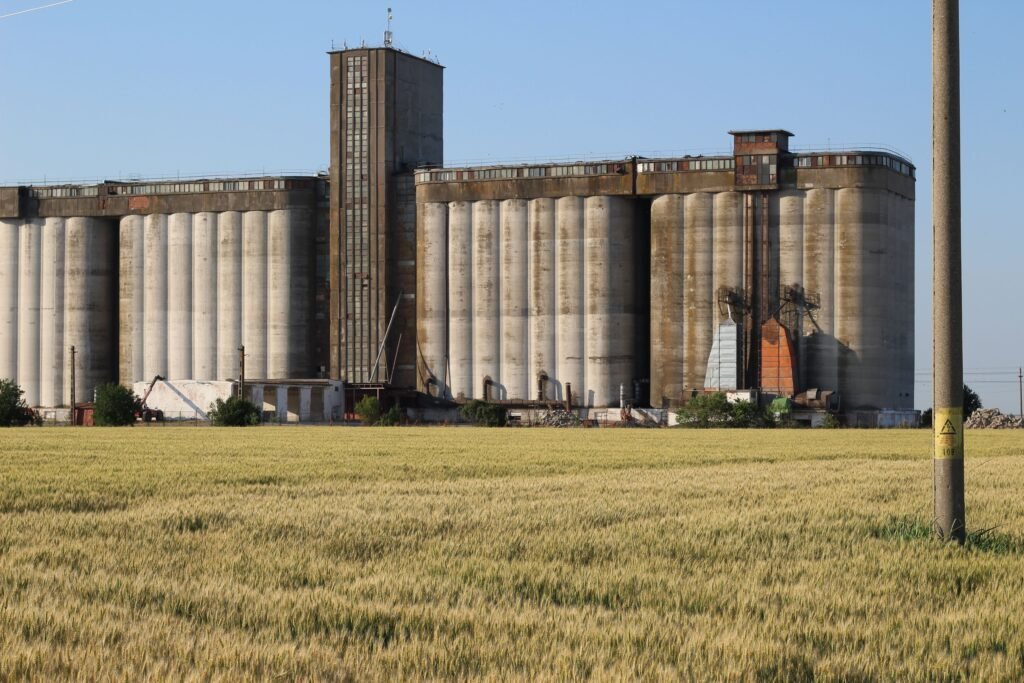
GMB’s Role in Smallholder Market Access
Discussions about agricultural markets often emphasize prices, but access to buyers matters too. For many smallholder grain farmers in Zimbabwe, GMB remains one of the most accessible buyers. Not every farmer has direct relationships with private traders, processors, feed manufacturers, millers or commodity buyers. In many production areas, the local GMB depot is still the most practical route to market.
Accessibility also affects marketing costs, which are often underestimated when assessing production opportunities. Transport, finding buyers, negotiating terms, payment risks and logistical challenges can all reduce the value of an otherwise attractive market.
A reliable, accessible buyer reduces some of these uncertainties. From a business perspective, farmers choose a market as well as a crop. The strength of that market influences how much land they plant, how many inputs they purchase and how much financial risk they are willing to take.
How Timely Payments Support Production
Trust is a valuable asset in any agricultural value chain. When farmers expect payment within a reasonable period after delivery, they can plan more confidently and are better able to:
- Purchase inputs while maintaining enough cash flow to finance the season.
- Settle debts on time or negotiate repayment periods with confidence.
- Manage working capital and prepare for the next season on time.
- Reinvest in production with greater confidence.
Payment uncertainty has the opposite effect. It can discourage investment, especially among smallholder farmers with limited access to alternative finance. Delays can disrupt household finances, input purchases and preparations for the next season.
The recent payment progress is therefore more than an administrative development; it is a signal of market confidence. Rebuilding trust takes time, but consistent payment performance is one of the most effective ways to strengthen the relationship between farmers and a market institution.
Implications for the 2026/27 Summer Season
The coming season calls for carefully considered decisions. Seasonal forecasts of a “super El Niño” continue to attract attention, input costs remain important, and many producers are weighing different enterprise options before committing resources.
Against this backdrop, farmers need confidence in rainfall prospects, their production plans and the markets they intend to supply. GMB’s announcement contributes positively to the market side of that equation, strengthening confidence in a buyer that remains strategically important to many grain producers.
Payment progress should not, however, determine production decisions on its own. Enterprise selection should still reflect expected profitability, production risks, available resources, market opportunities and overall business objectives.
The announcement is an encouraging sign of efforts to improve a market that plays a critical role in Zimbabwe’s grain economy.
Long-Term Confidence and Due Diligence
Agricultural development rests on strong relationships: farmers need reliable markets, and markets need consistent supplies. Both benefit from confidence between producers and buyers. Leading private-sector companies such as PHI have demonstrated the value of these relationships. It is encouraging to see the government strengthening GMBDura’s position as a competitive participant in the sector.
Payment performance is therefore about more than settling outstanding obligations. It is also part of strengthening market participation, encouraging production and supporting long-term food security. As farmers plan for the 2026/27 summer cropping season, the latest payment announcement offers grounds for renewed confidence in Zimbabwe’s longest-serving grain marketing company, established in 1931. That optimism does not replace the need for continued market research and due diligence.